
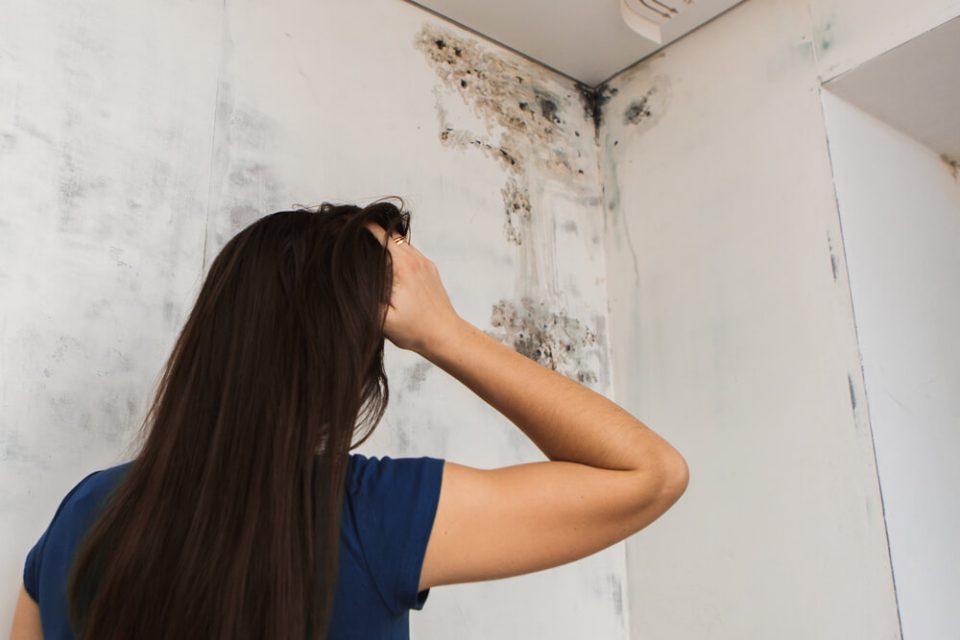
When it comes to mold sickness, being aware of the symptoms is essential for early detection and treatment. However, did you know that certain individuals might be more susceptible to mold-related illnesses than others? Understanding these risk factors and how to protect yourself is fundamental to safeguarding your health. By exploring the nuances of mold sickness further, you can equip yourself with the knowledge needed to make informed decisions about your well-being.
Common Symptoms of Mold Sickness
Experiencing symptoms such as coughing, sneezing, and skin irritation are common indicators of mold sickness. When managing these symptoms, it’s essential to address the root cause of the issue.
To alleviate discomfort, consider using over-the-counter antihistamines for allergies or nasal sprays to reduce congestion. Ventilate your home adequately and use dehumidifiers to control moisture levels, hindering mold growth.
In severe cases, seek professional help to remove mold from your living spaces, ensuring a healthier environment. Treatment options include medication to alleviate symptoms and mold remediation to eliminate the source.
Health Risks Associated With Mold Exposure
To fully grasp the impact of mold sickness, it’s important to understand the various health risks associated with mold exposure. Mold toxicity can lead to a range of health issues, with respiratory problems being a common consequence. When exposed to mold, individuals may experience coughing, wheezing, throat irritation, or even more severe respiratory conditions like asthma or bronchitis.
Mold spores can trigger allergic reactions in sensitive individuals, exacerbating existing respiratory conditions. Prolonged exposure to mold can weaken the immune system, making individuals more susceptible to respiratory infections. Understanding these health risks is essential in recognizing the importance of addressing mold problems promptly to safeguard your well-being.
Diagnosis and Testing for Mold Illness
Understanding how healthcare professionals diagnose and test for mold illness is important in effectively managing potential health concerns related to mold exposure.
Mold testing plays a significant role in this process, providing valuable insights into the presence of harmful mold spores in the environment. However, it’s important to note that not all tests are created equal in terms of accuracy. Inaccurate results can lead to misdiagnosis, causing delays in proper treatment and exacerbating symptoms.
Healthcare providers may use a combination of methods, including blood tests, skin prick tests, and imaging studies, to diagnose mold illness accurately. Seeking medical attention from professionals experienced in mold-related health issues can help ensure a more precise diagnosis and appropriate treatment plan.
Effective Treatments for Mold Sickness
Treatment options for mold sickness vary depending on the severity of your symptoms and the extent of mold exposure you have experienced.
When it comes to managing mold sickness, you have two main types of treatments to contemplate: natural remedies and medication options.
Natural remedies such as air purifiers, essential oils like tea tree oil, and supplements like Vitamin C and probiotics can help support your immune system and alleviate symptoms.
On the other hand, medication options like antihistamines, decongestants, and corticosteroids may be prescribed by your healthcare provider to address specific symptoms such as nasal congestion, sneezing, and inflammation.
It’s essential to consult with a healthcare professional to determine the most effective treatment plan for your mold sickness based on your individual circumstances.
Preventing Mold Exposure in Your Environment
Implementing proactive steps to prevent mold exposure in your environment is crucial for maintaining a healthy living space. Mold prevention starts with controlling moisture levels. Ensure proper airflow in bathrooms and kitchens, promptly fix any leaks, and use dehumidifiers in damp areas.
Regularly inspect your home for any signs of water damage, such as discoloration on walls or ceilings, and address them promptly. Clean and dry any wet or damp materials within 24-48 hours to prevent mold growth. Keep indoor humidity levels below 60% to inhibit mold development.
Moreover, declutter your living space, as clutter can trap moisture and provide a breeding ground for mold. By following these household tips, you can reduce environmental hazards and promote a mold-free environment.
