
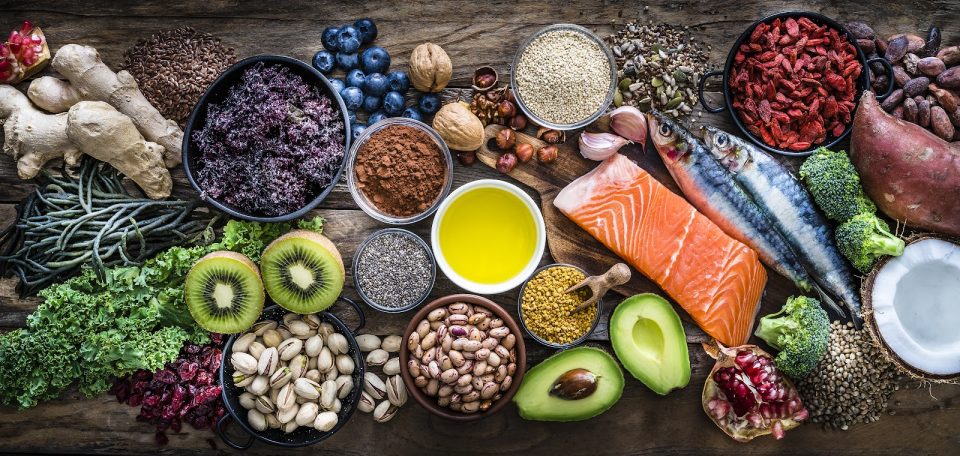
When you’re on dialysis, everything that you eat affects the way you feel as well as how effectively your treatment works. A dialysis diet is not just about avoiding certain foods, but also about ensuring your body gets the right nutrients without adding too much strain on your kidneys. Understanding which foods help and which ones harm can make your daily life easier and your health better. If you are starting dialysis or looking to improve your eating habits, this guide will help you get started and encourage you to learn more about making smart choices.
Why Your Diet Matters on Dialysis?
A kidney’s main function is to filter toxins and extra liquid from the blood. Dialysis does this job for you, but it cannot fully replace your kidneys. Your body may accumulate specific minerals and liquids in the interim between sessions of dialysis. Taking proactive steps can help manage these accumulations and support your overall health. This is why you need to be mindful of what you eat and drink.
A good dialysis diet keeps your blood pressure stable, your weight in check, and your energy up. It also helps avoid complications like swelling, bone problems, or heart strain.
Foods to Eat More Often
- High-Quality Protein – Lean meats, like chicken, turkey, fish, or eggs, are good sources. Protein is important for muscle strength and healing.
- Low-Potassium Fruits – Apples, berries, grapes, and pineapple are safer options. Too much potassium can affect your heart.
- Vegetables Low in Potassium – Cabbage, cauliflower, cucumbers, and lettuce are generally safe.
- Healthy Carbs – White rice, pasta, and bread can provide energy without adding too much potassium or phosphorus.
- Good Fats – Olive oil, canola oil, and small amounts of unsalted butter can be part of your meals.
Foods to Limit or Avoid
- High-Potassium Foods – Bananas, oranges, potatoes, spinach, and tomatoes can cause potassium levels to rise too much.
- High-Phosphorus Foods – Dairy products, nuts, beans, and dark sodas may harm your bones over time.
- Salty Foods – Packaged snacks, container soups, and junk food can trigger high blood sugar and cause retention of water.
- Too Much Fluid – Drinking more than your care team recommends can cause swelling, high blood pressure, and breathing problems.
- Processed meats – Sausage, bacon, and deli meats are packed with high levels of sodium and phosphorus, which can pose health risks.
Tips for Better Eating on Dialysis
- Plan Your Meals – Knowing what to eat ahead of time helps avoid last-minute poor choices.
- Check the Labels – Look for unsubstantiated sodium or phosphorus additions in food packaging.
- Speak with a Dietitian – A professional dietitian can suggest a personalized diet as per your specific requirements.
- Watch Portion Sizes – Even healthy foods can cause problems if eaten in large amounts.
Wrapping Up
Following the right dialysis diet is not about giving up all your favorite foods, but about making adjustments, so your body stays balanced. By choosing the right ingredients and avoiding harmful ones, you can improve your health, feel more energetic, and make your dialysis treatments more effective.
If you are ready to take better control of your kidney health and want meal ideas that work for your needs, talk to a qualified healthcare provider and learn more about safe food choices for dialysis.
