
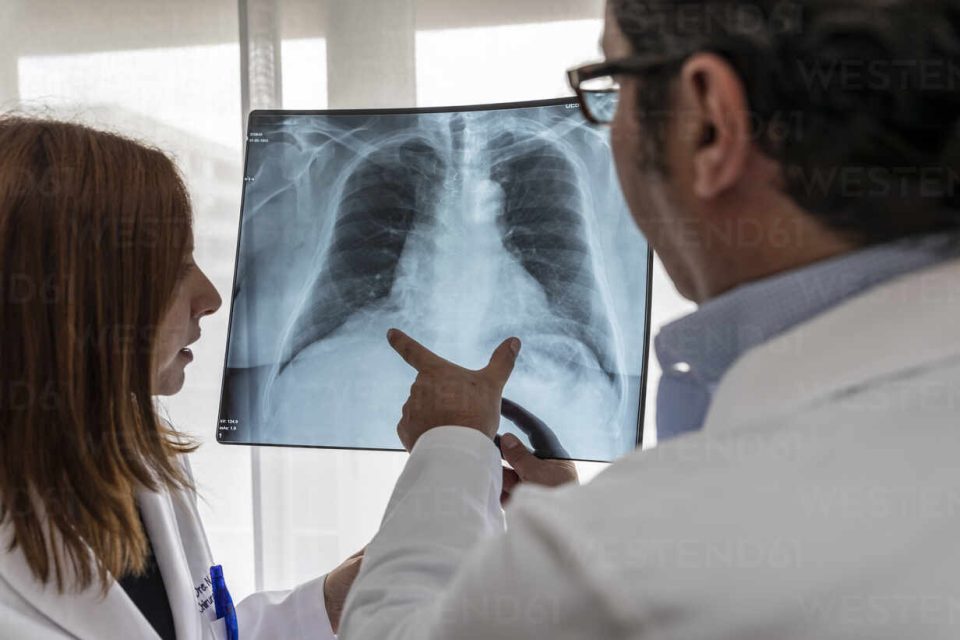
Exploring medical specialties is a critical part of preparing for residency, but not all fields are equally visible during core clinical rotations. Specialties such as pathology, Physical Medicine and Rehabilitation (PM&R) or preventive medicine can be harder to experience firsthand using traditional shadowing models. Dr. Larry Davidson, a leader in minimally invasive spine surgery, encourages students to think creatively and use modern tools to gain exposure to these fields before submitting residency applications.
With technology and flexible learning options, today’s students have more opportunities than ever to “test-drive” lesser-known specialties in ways that fit busy schedules and varied interests. Virtual electives, webinars and simulation experiences allow students to explore fields they might not otherwise encounter. These tools help broaden understanding and support more informed decisions about future career paths.
The Challenge of Exploring Uncommon Specialties
During medical school, most students rotate through core areas like internal medicine, surgery, pediatrics, obstetrics and gynecology, and psychiatry. While these experiences provide a strong foundation, they often leave limited time to explore fields that don’t have mandatory rotations or that operate behind the scenes.
Without exposure, students may overlook specialties that align well with their values, interests and career goals. Shadowing 2.0 provides solutions that help bridge this gap, offering meaningful insights into the daily work, culture and patient impact of these fields.
Telehealth Observations: A Window into Practice
Telehealth has become an integral part of modern medicine, including specialties that traditionally had little direct student involvement. Students can observe virtual patient consultations, multidisciplinary case reviews or follow-ups to see how physicians in fields like PM&R, dermatology, or infectious disease manage care. Advantages of telehealth shadowing include:
- Flexible scheduling – Sessions can often be arranged around classes or other commitments.
- Broader geographic reach – Students can observe physicians in other cities or regions.
- Real-time interaction – Observing patient communication and decision-making processes builds understanding of the specialty’s scope.
Dr. Larry Davidson points out that telehealth shadowing also helps students learn about virtual communication skills, an increasingly important aspect of medical practice across fields. Observing how physicians build rapport, convey empathy and make clinical decisions through a screen offers valuable lessons that differ from in-person encounters. These experiences prepare students to deliver effective, patient-centered care in both digital and traditional settings.
Virtual Grand Rounds and Case Conferences
Attending virtual grand rounds, tumor boards or specialty-specific case conferences offers another way to explore less-visible fields. These events provide insight into how specialists collaborate, make decisions and apply the latest research to patient care.
Many institutions now stream these sessions and welcome student participation. Fields like pathology, radiology or anesthesiology often feature in these settings, offering a deeper view of their role in multidisciplinary care. Students can:
- Gain exposure to complex cases and specialist thought processes.
- Understand how different specialties contribute to care plans.
- Build familiarity with the language and priorities of each field.
Taking notes and reflecting on these experiences helps students assess how well a specialty aligns with their interests and values.
Elective Mini-Rotations
Mini rotations are short, focused experiences, sometimes as brief as a few days or a week, that provide immersive exposure to a specific field. These rotations can be arranged during elective time, between major rotations or even over breaks. Benefits include:
- Hands-on observation – Working alongside specialists and seeing day-to-day workflows.
- Focused learning – Concentrated time allows students to absorb key concepts quickly.
- Networking – Building connections that may lead to letters of recommendation or future opportunities.
Students interested in uncommon specialties should consider reaching out early to schedule these experiences, as availability may be limited.
Specialty Interest Groups and Student-Led Initiatives
Many medical schools have specialty interest groups that host guest speakers, workshops or panel discussions featuring practitioners from underrepresented fields. Joining these groups provides exposure, mentorship and peer support.
In addition, some students organize their shadowing or learning opportunities, collaborating with faculty to create structured experiences that fill gaps in the curriculum. Taking this initiative demonstrates curiosity, commitment and leadership qualities valued by residency programs.
Simulation and Skills Workshops
Simulation centers and specialty workshops allow students to experience aspects of a field’s technical work. For example:
- Pathology workshops might offer guided reviews of slides or digital histology cases.
- PM&R simulations might include functional assessments, mobility device fittings or mock rehabilitation plans.
- Anesthesiology or critical care sessions could feature airway management or crisis response scenarios.
These experiences provide a tactile sense of the specialty’s demands and rewards.
Using Technology for Self-Directed Learning
Students can supplement hands-on and observational experiences with online resources. Podcasts, webinars, specialty organization websites, and video case libraries offer rich material that deepens understanding of various fields. Self-directed learning also helps students:
- Prepare thoughtful questions for shadowing or mentor meetings.
- Identify trends, challenges, and innovations in a specialty.
- Develop a more complete picture of the field’s role in the health system.
Combining these resources with active experiences creates a balanced, informed view.
How to Make the Most of Creative Shadowing
To maximize the value of alternative exposure strategies:
- Reflect on each experience – Keep notes about what resonated, what surprised you and how the field fits your mission.
- Ask questions – Engage with mentors, presenters and clinicians to clarify concepts and learn from their experiences.
- Stay organized – Track what you’ve explored and any contacts you’ve made for future follow-up.
These practices help translate brief or virtual experiences into lasting insight that can inform residency choices.
The Role of Mentorship
Throughout the shadowing process, mentorship remains key. Discussing what you observe with advisors or specialists helps contextualize experiences, set realistic expectations and refine career goals.
Students need to look for mentors who are approachable, honest about the realities of their specialty and invested in supporting informed career choices. Building these relationships early creates a safe space for questions, reflection and guidance that evolves throughout training.
Broaden Your Horizons
Shadowing 2.0 opens doors to specialties that might otherwise remain unseen during traditional rotations. By embracing creative ways to explore, students gain a fuller picture of their options and increase the likelihood of finding a field that truly aligns with their skills, values and aspirations.
These experiences can spark new interests and help students discover passions they hadn’t previously considered. They also provide valuable context for how different specialties contribute to patient care and the healthcare system as a whole. This broader exposure helps students make more confident, well-informed career choices.
